
Toni Vaz's family raises $80,000 for Hollywood Walk of Fame star
The late actress and creator of the NAACP Image Awards was selected in 2024 but passed away before the installation could be completed, leaving a two-year window to finalize the tribute.
By Lucas Mehta ·
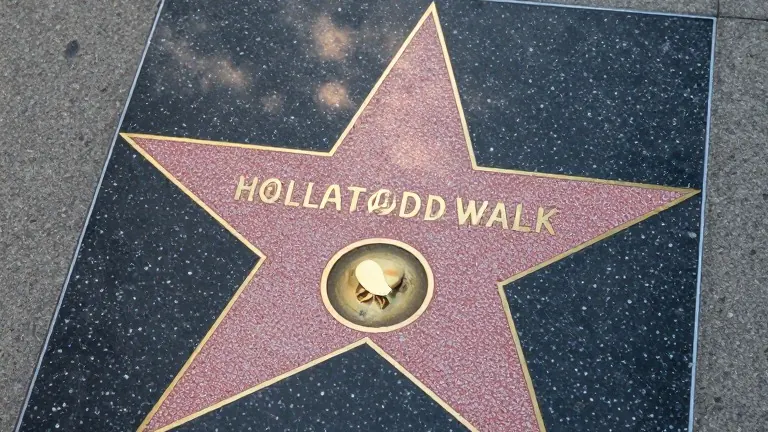
Toni Vaz’s family is currently raising between $75,000 and $85,000 to secure her place on the Hollywood Walk of Fame. Vaz, who was born in Harlem and became a prominent figure in the entertainment industry, was selected for the honor in 2024. The cost for a star varies annually, and that was the specific price range during the year of her selection. The Walk of Fame requires honorees to cover the expenses themselves, a fact that has led to a public fundraising effort in recent weeks.
Vaz died shortly after receiving the selection notice. She was 101 years old at the time of her death. Her passing left her family with a strict deadline. According to Walk of Fame rules, selected individuals have two years to pay the fee and schedule the official ceremony. The family is now in the final stages of that two-year window. A GoFundMe page has been established to allow fans to contribute directly to the cost of the star and the event.
The timeline for Vaz’s recognition spans six decades of her career. Her professional life began in the 1960s and continued through the 1970s. She performed stunt work for several high-profile actresses, including Dorothy Dandridge, Eartha Kitt, and Cicely Tyson. Her most enduring legacy, however, is the creation of the NAACP Image Awards. The first ceremony for that event took place in 1967. Vaz is credited with establishing the award show that has since become a standard for recognizing achievements by Black performers.
Cheryl Abbott, Vaz’s great-niece, currently leads the Toni Vaz Foundation. Abbott is also a talent manager and booking agent. She stated that one of Vaz’s primary goals was to broaden the scope of roles available to actors of color. Abbott noted that Vaz worked not just for her own success but for future generations. “She did it not just for herself. She did it for the generations in front of her, for a little girl that might walk by and say, ‘Mommy, I want to be an actress,’” Abbott said.
Abbott emphasized the importance of preserving Vaz’s name in historical records. “I just want to make sure that her name goes down in history, that it stays in the history books, that people know that if you do have a dream and you want to make a difference in a change, you can do it,” Abbott said. The family’s efforts to complete the process are part of a larger conversation about recognition in the film and television industries.
Mahalet Dejene, a Black actress of Ethiopian descent, has appeared in series such as “Gossip Girl” and “New Amsterdam.” She observed that while opportunities have increased, a gap remains in what she terms “meaningful diversity.” Dejene noted that people of color are often cast in secondary or tertiary roles rather than as leads in major plotlines. “We have had so much more opportunities now than before, across the board for minorities and people of color, but I really think that there's a gap, and I think I would call it ‘meaningful diversity,’” Dejene said.
Dejene traced the lineage of opportunity back to pioneers like Vaz. She said that performers such as Vaz opened doors for later stars like Viola Davis and Angela Bassett. Those actors, in turn, paved the way for current talent. Dejene pointed out that mainstream institutions have historically underrecognized Black performers and other marginalized groups. This sentiment contributed to the 2015 #OscarsSoWhite campaign, which criticized the Academy Awards for failing to nominate a person of color in any acting category that year.
Despite the ongoing debates about representation, Dejene acknowledged the specific weight of the Walk of Fame. She described the honor as a cross-cultural marker of career success. “The Hollywood Walk of Fame is a cross-cultural zeitgeist, the thing that suggests you have made it in this career,” Dejene said. She added with a laugh, “but you do have to pay for it!” The family aims to finalize the payment and the ceremony before the two-year deadline expires.
Source: KCNC-TV