New Orleans rocker Caspian Hollywell asks if music is still real
A 2026 survey of digital fraud and AI art finds that nearly half of musicians now doubt the authenticity of the songs they hear.
By Henry Castro ·
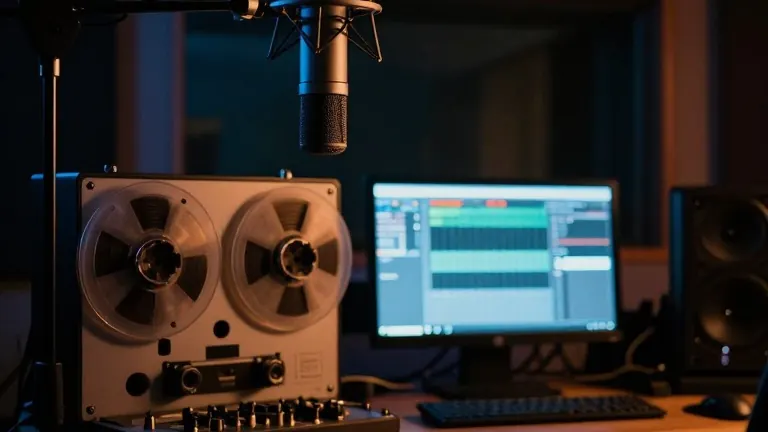
Caspian Hollywell of the New Orleans rock band Twisted Teens opens his 2026 single with a direct question: "Is it real?" The track features a disheveled vocal style that blends joy and pleading. Hollywell uses the line to question whether the music industry still offers genuine artistic expression or if it has become a calculated performance.
The uncertainty is quantified in a recent industry assessment. Nearly half of surveyed musicians now question the authenticity of the music they consume. This figure reflects a rise in reported fraud and the widespread adoption of artificial intelligence in songwriting and recording. Fans report feeling unable to trust viral hits or newly discovered artists, citing a pattern of manipulated fanbases and hidden commercial interests.
The current climate is defined by specific incidents of deception. The Rolling Stones released a music video in 2026 that used digital de-aging technology on the band members. Other high-profile cases include counterfeit vinyl records, viral successes that appear rigged, and emerging stars accused of plagiarism or nepotism. These events have created a sense of chaos among listeners who previously accepted studio techniques as standard practice.
In response to these changes, a group of artists is adopting raw and confrontational sounds. Bands such as Twisted Teens, Westside Cowboy, Mandy, Indiana, and GENA are using do-it-yourself methodologies and noisy instrumentation to establish credibility. Hollywell stated, "You can like us or you can hate us, but you can't say we're not real." This approach contrasts with the sleek, highly produced pop music that has dominated streaming platforms in recent years.
The debate over musical authenticity has historical precedents. In 1979, guitarist Ry Cooder recorded his album Bop Till You Drop using a digital system. It was the first major label release to use this technology. While Cooder initially appreciated the clarity, he later described the final product as "thin" and "cold." He noted that the digital process removed the ambient sounds of the recording room, which he felt were essential to the music's character.
A similar dispute arose in the early 1990s involving pop star Paula Abdul. Session singer Yvette Marine sued Abdul and her producers, claiming they used a computer to create a "composite voice" for the song Opposites Attract. Marine lost the case. Music critic Simon Reynolds defended Abdul's use of synthesizers as a valid form of showbiz art, though he admitted her music lacked the resonance of live performance.
Experts identify three categories of authenticity that artists must navigate. Representational authenticity questions whether an artist actually performed the work. Cultural authenticity looks at an artist's ties to specific communities. Personal authenticity examines whether the emotional content of a song reflects the artist's true experiences. The current rise of AI tools blurs these lines, making it difficult for listeners to determine which category is being compromised.
The 2026 discourse feels more urgent than previous technology shifts. Critics note that the concern extends beyond recording techniques to the very structure of the music business. As new tools continue to alter how songs are created and distributed, the industry faces a sustained period of skepticism among both fans and professionals.
Source: WYPR