Israel Finance Ministry Finalizes NIS 10 Billion Austerity Plan for Incoming Government
Gasoline subsidies end Saturday night, adding to a package of tax hikes and spending cuts designed to fund a rising defense budget.
By Henry Castro ·
Israel stands at the threshold of a new government, but the financial blueprint for its first year is already being written in Jerusalem. The Finance Ministry has drafted a comprehensive economic plan containing strict fiscal measures intended to manage the state's debt and fund a substantial increase in military spending.
The measures were developed in coordination with the Bank of Israel, though the incoming administration will bear the responsibility for their implementation. The primary objective is to prevent the debt-to-GDP ratio from climbing while covering a defense budget that is projected to reach NIS 187 billion.
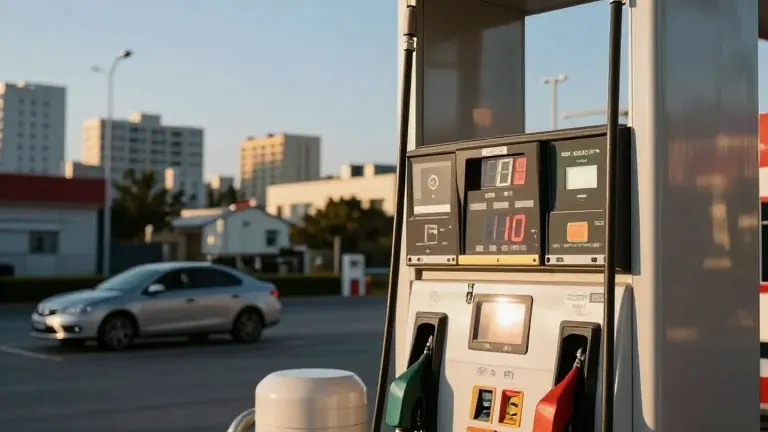
The most immediate impact on citizens will be felt at the pump. Finance Minister Bezalel Smotrich’s subsidy, which capped gasoline prices at NIS 1 per liter over the past two months, expires at midnight on Saturday. This subsidy has already cost the treasury more than half a billion shekels. Once it ends, the price of a liter of self-service 95-octane gasoline is expected to hit NIS 8.90, though a recent 1% drop in the dollar against the shekel may slightly mitigate the surge.
Beyond fuel, the plan relies on a series of tax adjustments to generate an estimated NIS 10 billion in new revenue. Key proposals include mandatory reporting of rental income from the first shekel earned, eliminating the current tax exemption for monthly rents up to NIS 5,654. The ministry also intends to impose a tax on international content providers, a levy often described as a "Netflix tax," and reduce tax benefits for pension contributions.
The package includes further structural changes, such as eliminating VAT exemptions for specific sectors and enforcing stricter efficiency measures across government ministry budgets. Coalition funds are expected to face sharp cuts as a primary source of savings. These steps are designed to stabilize the Consumer Price Index, which currently benefits from frozen rates on essential services like electricity, water, and public transportation.
The legislative timeline is compressed. The next government must pass a 2027 budget, or potentially a two-year plan covering 2027 and 2028, before the end of the year to avoid relying on a continuing budget. This requirement mandates comprehensive reforms under the Economic Arrangements Law. Because the timetable is tight, coalition parties must begin coordinating on these policies before the new cabinet is officially formed.
Market reactions to the political shifts have been mixed but generally stable. The Tel Aviv Stock Exchange opened lower on Tuesday, the final trading day before the elections, following Prime Minister Benjamin Netanyahu’s weekend warnings regarding the crypto economy and potential sanctions. However, the index quickly reversed into positive territory, with only banking stocks remaining negative. Traders appear cautiously optimistic about the prospect of a government change, despite the month's overall decline in trading volumes.
The plan remains subject to the approval of the new coalition, but the structural elements are largely finalized. The incoming leadership will inherit a framework that prioritizes fiscal discipline and immediate revenue generation to support the expanded defense mandate.
Source: The Jerusalem Post
More Business · Scam Watch · Report a business · Got a Story?