Meta Runs Google Chips
Meta now uses Google's custom AI hardware in production, marking a significant shift in the competitive landscape for chipmakers.
By Elijah Davidson ·
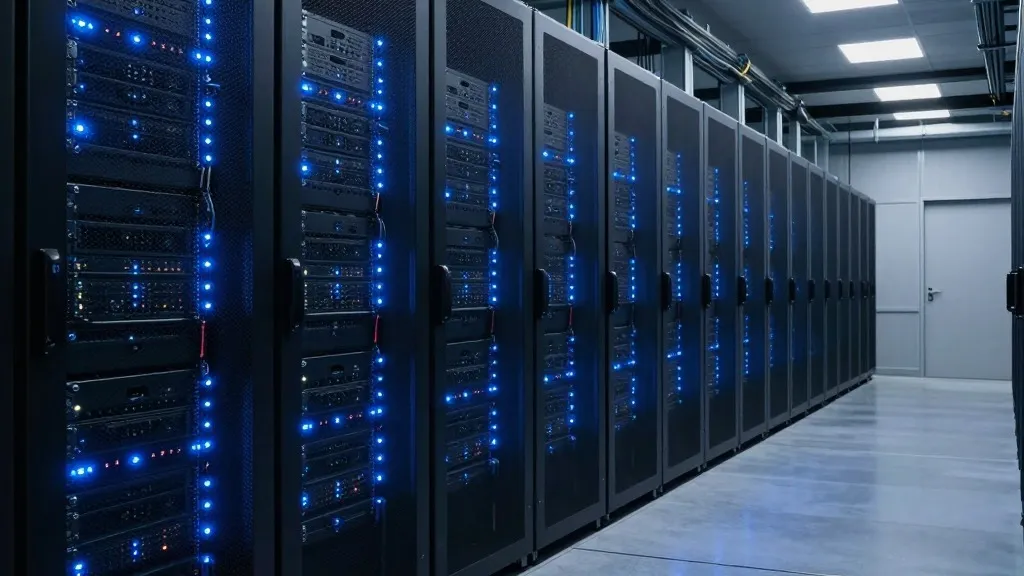
The AI hardware landscape is shifting as major tech giants look beyond their standard tools. Meta is now running Google’s custom chips in live production environments. This development marks the first time Google’s tensor processing units are being sold to an external customer for this specific purpose.
The change relies on new software versions of popular inference engines. Google announced updated versions of SGLang and vLLM. These tools now work natively with PyTorch. Previously, using Google’s hardware required a different programming framework called JAX. The new setup allows developers to use their existing PyTorch code without major rewrites. This removes a significant technical barrier for adoption.
Zongwei Zhou, who leads the PyTorch-TPU team at Meta, confirmed the rollout. He stated that the system is running in production today. This result comes from a close collaboration between Meta, Google, and the SGLang team. Zhou noted that the new stack provides a mature serving environment. Jana van Greunen, a director of engineering at Meta, emphasized the strategic importance of this move. She said the company cannot be constrained by a single hardware architecture. This flexibility allows Meta to deploy workloads on Google’s infrastructure.
This is not the first time Meta has experimented with Google’s hardware. An older bridge called PyTorch/XLA existed previously. Reports indicate that Meta research teams used this setup between 2020 and 2023. Those contracts were eventually canceled. The current push is more integrated and aims to make Google’s chips a standard option for Meta’s operations. While the exact location of these chips is not public, reports suggest Meta signed a multi-year rental agreement. Talks included rentals in 2026 and potential purchases in 2027.
The announcement coincided with similar moves by other tech firms. Amazon recently open-sourced its own backend for its Trainium chips. Both companies are working to loosen the grip of Nvidia’s software ecosystem. Nvidia has long dominated the market through its CUDA platform. By making their hardware compatible with the widely used PyTorch framework, Google and Amazon aim to offer viable alternatives. This could pressure Nvidia to adjust its pricing or strategy.
Performance benchmarks suggest the new setup is competitive. Tests on Google’s seventh-generation Ironwood TPU showed high speeds. One configuration processed 2.8-trillion-parameter models at over 700 tokens per second. This outperformed a similar setup on Nvidia’s GB200 chips, which reached 452 tokens per second. Other tests showed throughput improvements of 1.4 to 2 times compared to the Nvidia baseline. These results indicate that Google’s chips can match or exceed Nvidia’s performance in specific scenarios.
The developers plan to expand support for more models. New additions will include DeepSeek V4.1 Flash and Reflection Beam. The team aims for day-one support for new open models by the first quarter of 2027. Google, Meta, and RadixArk will share more details at a summit in San Francisco next month. This continued collaboration signals a strong commitment to making the new hardware a standard part of the AI industry.
Source: Tom's Hardware · original report published