
Amazon Abandons Loudoun County Data Center Plan Following Local Resistance
The tech giant will convert 122 acres near Washington D.C. into residential and mixed-use developments after community pressure halted its four-facility project.
By Elijah Davidson ·
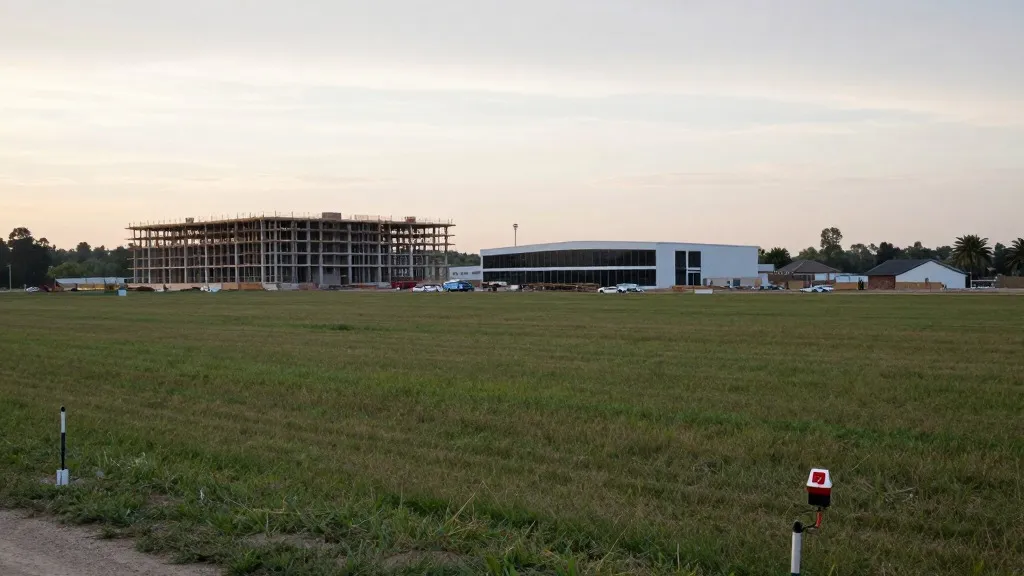
A significant shift in corporate planning strategy emerged in Northern Virginia as Amazon officially withdrew its proposal to construct four new data centers on a former university campus in Loudoun County. The decision marks a decisive retreat from an ambitious infrastructure project, driven by sustained opposition from local residents who questioned the environmental and logistical impact of the facilities. In exchange for vacating the site, Amazon has agreed to repurpose the majority of the land for residential and mixed-use development, fundamentally altering the future of a property situated just outside the District of Columbia.
The 122-acre site, formerly part of the George Washington University campus, will now be divided to accommodate new housing and community amenities. Amazon has committed to donating 25 acres of the property to Loudoun County, which intends to utilize the land for a new community arts center and recreational facility. Additionally, the company will contribute $5 million to the county’s housing fund. These concessions represent a substantial change from the original plan, which focused exclusively on high-density computing infrastructure in a region already known for its high concentration of such facilities.
The path to this resolution began in July when Amazon first submitted its proposal for the data centers. Tensions escalated over the subsequent months, leading to a meeting in September between company representatives and the Loudoun County Board of Supervisors. During this discussion, county leadership suggested that the company might find a more suitable use for the land. Josh Weissman, Amazon’s vice president for data center development, acknowledged that the company initially viewed the property as an ideal opportunity but ultimately considered the local government’s specific concerns regarding development at that particular site.
Weissman noted that while Amazon’s view of the property’s legal development potential differed from the county’s, the company concluded that collaboration would yield a better result than potential legal disputes. “While we see the property’s legal development potential differently than the County does, we concluded that the best outcome for all is to come together on a shared vision for this campus rather than engage in costly litigation,” Weissman stated. This approach allowed both parties to avoid a protracted legal battle over land use rights.
The broader context for this decision involves a growing national tension surrounding the rapid expansion of data centers required to support artificial intelligence and cloud services. Local communities are increasingly wary of the noise, water usage, and electricity price spikes associated with these facilities. In response to these concerns, President Donald Trump recently called for data center operators to share energy costs with local communities, suggesting that such facilities should generate their own power and sell any excess back to the grid.
Phyllis J. Randall, Chair of the Loudoun County Board of Supervisors, framed the agreement as a success of negotiation. In a statement, she emphasized that by choosing dialogue over disagreement, the county secured tangible benefits for its residents. Randall highlighted that the agreement provides new spaces for gathering and recreation, while most importantly, it aims to provide more attainable housing for working families in a competitive market.
The stakes for the region remain high as Northern Virginia continues to grapple with the capacity of its power grid. With the area often facing energy constraints, the shift away from energy-intensive data centers in this specific location may ease pressure on local infrastructure. The repurposing of the site signals a potential new model for tech companies in the region, prioritizing mixed-use development that integrates residential needs with technological investment.
This resolution underscores the increasing influence of local stakeholders in shaping large-scale corporate projects. By leveraging community concerns regarding noise and power consumption, Loudoun County was able to secure a diversified land use plan. The transition from a pure data center hub to a mixed-use development reflects a broader trend in how tech giants are responding to the logistical and social challenges of expanding their physical footprint in densely populated areas.
Source: Tom's Hardware · original report published
More Business · Scam Watch · Report a business · Got a Story?